

The main challenges to how to properly cleaning a PCB are fragility and complexity. This makes manual cleaning with brushes, flammable solvents such as IPA, other solvent sprays and water jets impractical and potentially dangerous.
Without doubt, the best cleaner for PCBs is an ultrasonic cleaner. This is why PCB manufacturers employ the technology to remove water-soluble solder residues and other contaminants before their products are shipped. Process-proven in PCB manufacturing, ultrasonic cleaning is your best bet for properly cleaning a dirty PCB however it is used.
How to Properly Clean a PCB
Ultrasonic cleaning uses the power of cavitation – energy released by the implosion of microscopic vacuum bubbles, to safely loosen and carry away tenacious contaminants from printed circuit boards immersed in an ultrasonic PCB cleaning bath. There are two steps involved:
1. Select Your Ultrasonic PCB Cleaner
As noted above, printed circuit boards are delicate. And as described in how ultrasonic cleaners work, ultrasonic frequency and power govern how the process impacts products being cleaned.
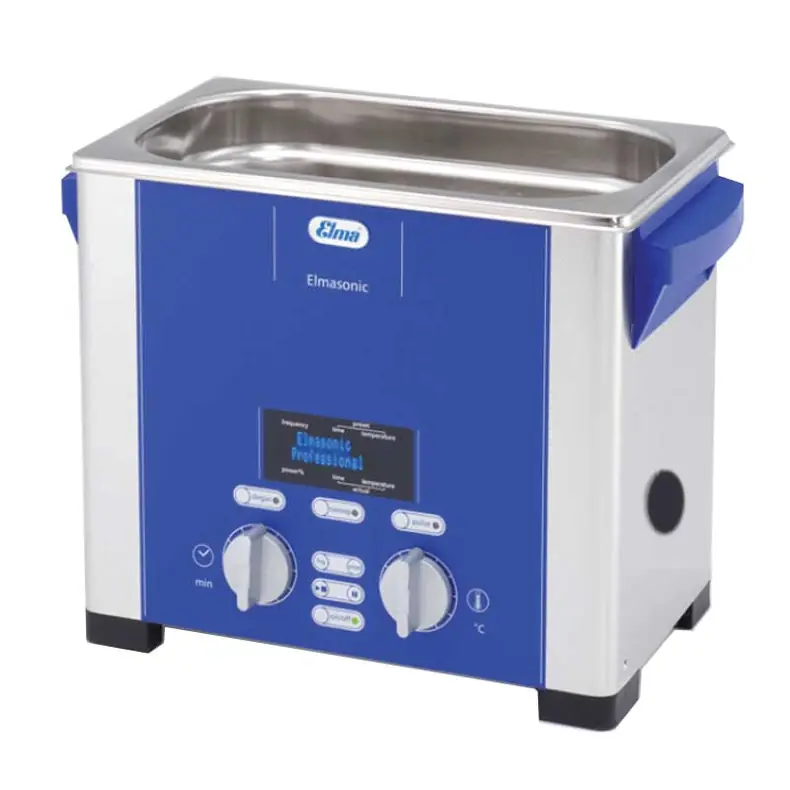
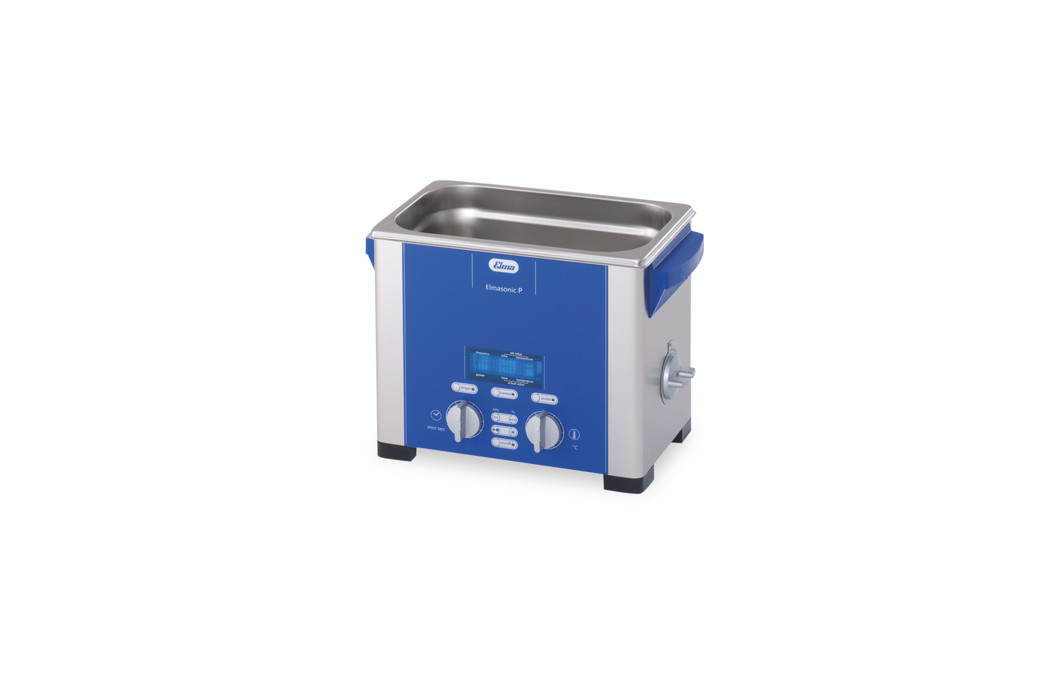
A recommendation for properly cleaning a PCB is the Elmasonic P series of ultrasonic cleaners. These units, available in 6 cleaning solution capacities, allow you to select 37 kHz for regular cleaning or 80 kHz for cleaning more delicate PCBs.
The Sweep mode provided by the units assures uniform PCB cleaning avoids damaging hot spots and “dead zones” during cleaning cycles. The user-activated Pulse mode provides bursts of extra power if needed to remove stubborn contaminants.
The P series also features adjustable power from 30 to 100 percent. Dual frequency, sweep and adjustable power are among the reasons Akron, Ohio, based Independent Digital Consulting, Inc., uses a 5-gallon Elmasonic P180H unitto clean their boards.
2. What Chemical is Used to Clean PCBs?
Normal Contaminants
Biodegradable, mildly alkaline, free-rinsing elma tec clean A1, diluted to 3 to 10% with water removes water damage, water-soluble flux, oil, grease, fingerprints, dust, coffee, tea, cola, milk and similar contaminants from PCBs, mother boards and electronic parts.
A suggested PCB cleaning temperature chemical is 30⁰C, which can be set on Elmasonic P series units. The unit displays set and actual temperature as well as set and elapsed cleaning time, set ultrasonic frequency and power.
How to Remove Oxidation from PCBs?
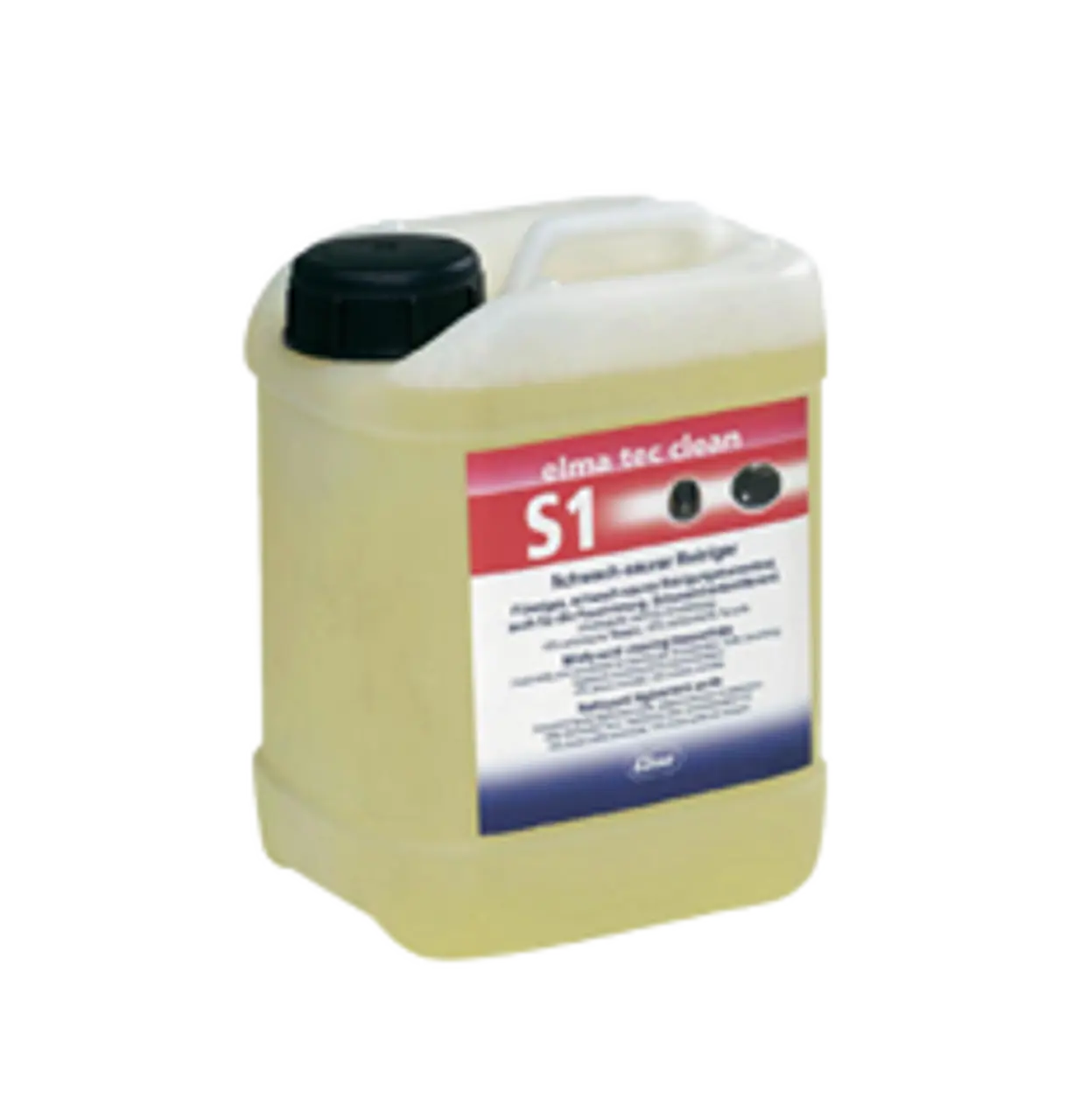
A chemical toclean PCBs contaminated by oxidation and corrosion is biodegradable, mildly acidic elma tec clean S1 diluted to 1 to 5% with water. A suggested cleaning cycle is described below.
Is it Safe to Clean PCBs with IPA?
IPA is a volatile solvent and its use can create what the NFPA classifies as a hazardous location. Using IPA or similar volatile solvents requires the use of specialized equipment properly located and operated. If it is absolutely essential to employ IPA or other volatile solvents to clean PCBs, an explosion proof ultrasonic cleaner is recommended.
Set Up and Operate Your Ultrasonic PCB Cleaning System
Preliminary precautions:
- Ultrasonic cleaning should not be employed for sealed, board-mounted relays. In addition, ensure all capacitor are fully discharged before immersion.
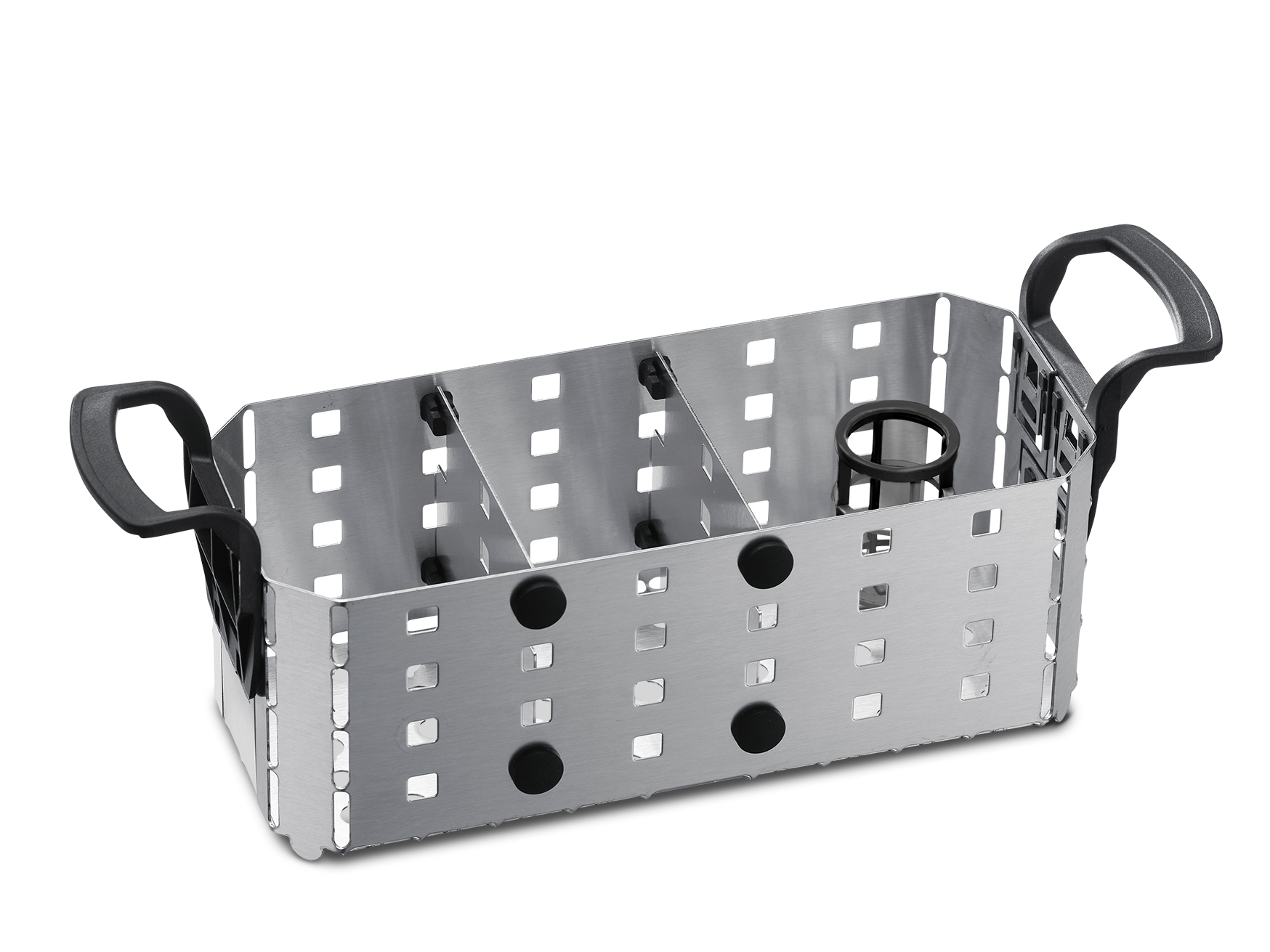
- PCBs must be cleaned in baskets. Never place them directly in contact with the bottom or sides of the ultrasonic cleaner’s tank.
- When cleaning multiple boards, position them in such a way that they do not come in contact with each other. Modular cleaning basket designs provide partitions and other inserts to aid in parts positioning.
Establish your standard operating procedure:
The procedures below employ features of the Elmasonic P series used at Independent Digital Consulting. We suggest you experiment using damaged boards to set optimum frequency and power options, including using the Pulse mode for particularly stubborn contaminants.
- Position your ultrasonic PCB cleaner near a water supply, drain and GFI outlet.
- Fill the tank half way with water (distilled water recommended), add the proper amount of cleaning solution concentrate for a full tank and continue adding water to the tank fill line.
- Activate the cleaner’s Degas mode for approximately 10 minutes to mix and degas the solution.
- Just prior to cleaning set the temperature recommended by the cleaning solution manufacturer.
- Position separated PCBs in the basket at an angle allowing contaminants to fall away during the cleaning cycle. A modular basket system enables you to set partitions facilitating placement.
- Activate the Sweep mode then lower the basket into the solution, cover the unit and set the timer for 10 minutes. Actual time will depend on the condition of the PCBs; experience will help you judge future cycles.
- At the end of the cycle, inspect the boards, if satisfied rinse (preferably with distilled water) and dry them with a warm air blower or fan.
Over time, the cleaning solution will lose its effectiveness and should be replaced. Drain the tank and clean it following instructions in the user manual. Prepare and degas a fresh batch.
Ultrasonic Equipment Options to Properly Clean PCBs
Ultrasonic cleaners are offered in a variety of sizes and operating features. The equipment you need should be specified based on the size and number of PCBs being cleaned per cycle. Whatever equipment you select, remember that ultrasonic PCB cleaning is accomplished in baskets to properly position the boards in the cleaning solution.
Cleaner for Smaller PCBs Like Those Found in Cell Phones

For cleaning smaller PCBs such as found in cell phones, a good candidate is the 0.75-gallon Elmasonic EP30H with tank dimensions 9.40 x 5.40 x 3.90 inches (l, w, d) and recommended basket 7.70 x 4.10 x 2.0 inches.
Features and benefits, along with other units in the Elmasonic EP series:
- dynamic mode uniformly distributes ultrasonic energy, dislodges tenacious contaminants and degases fresh cleaning solutions
- eco mode delivers quiet, gentle PCB cleaning
- power tracking adjusts ultrasonic power to the load
- heater quickly brings the cleaning solution to its recommended temperature
- timer sets the cleaning cycle duration
If your requirements call for cleaning computer mother boards and larger PCBs, consider the 2.5-gallon Elmasonic EP100H.
Commercial-Scale PCB Cleaning
Batch and commercial-scale PCB cleaning warrants considering commercial-grade ultrasonic cleaners such as a 25-gallon Shiraclean unit with products positioned in racks during the cleaning cycle.
Need More Info on How to Properly Clean PCBs?
The scientists at Tovatech are ready to answer your questions on selecting the correct ultrasonic cleaner, cleaning solution concentrate and procedures to solve your PCB cleaning challenges. They can also help you increase the return on your ultrasonic cleaner investment by using it to clean most any product that can be immersed in water-based cleaning solutions formulated for specific tasks.